Exploring the Rise of Jamaican Food in Denver
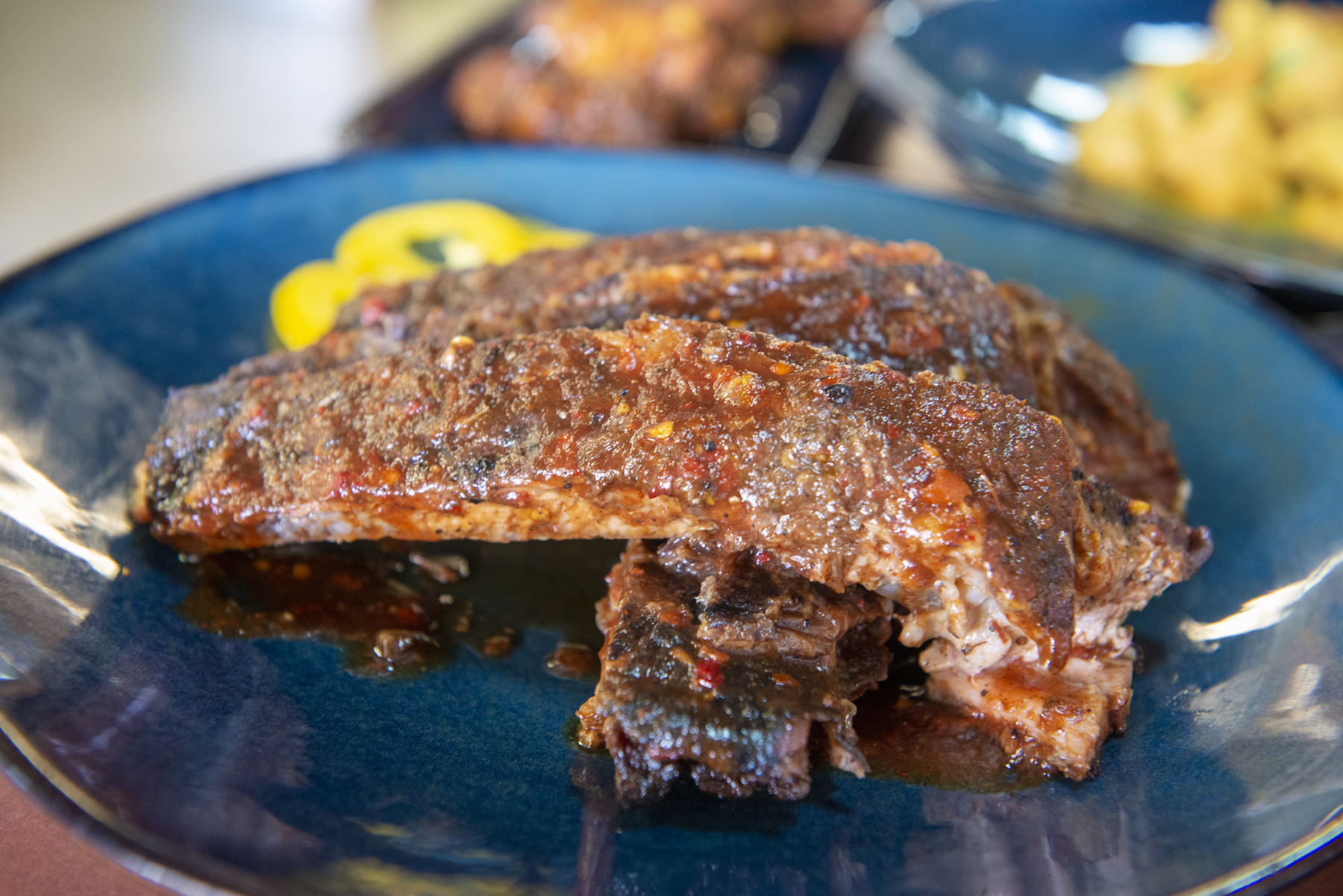
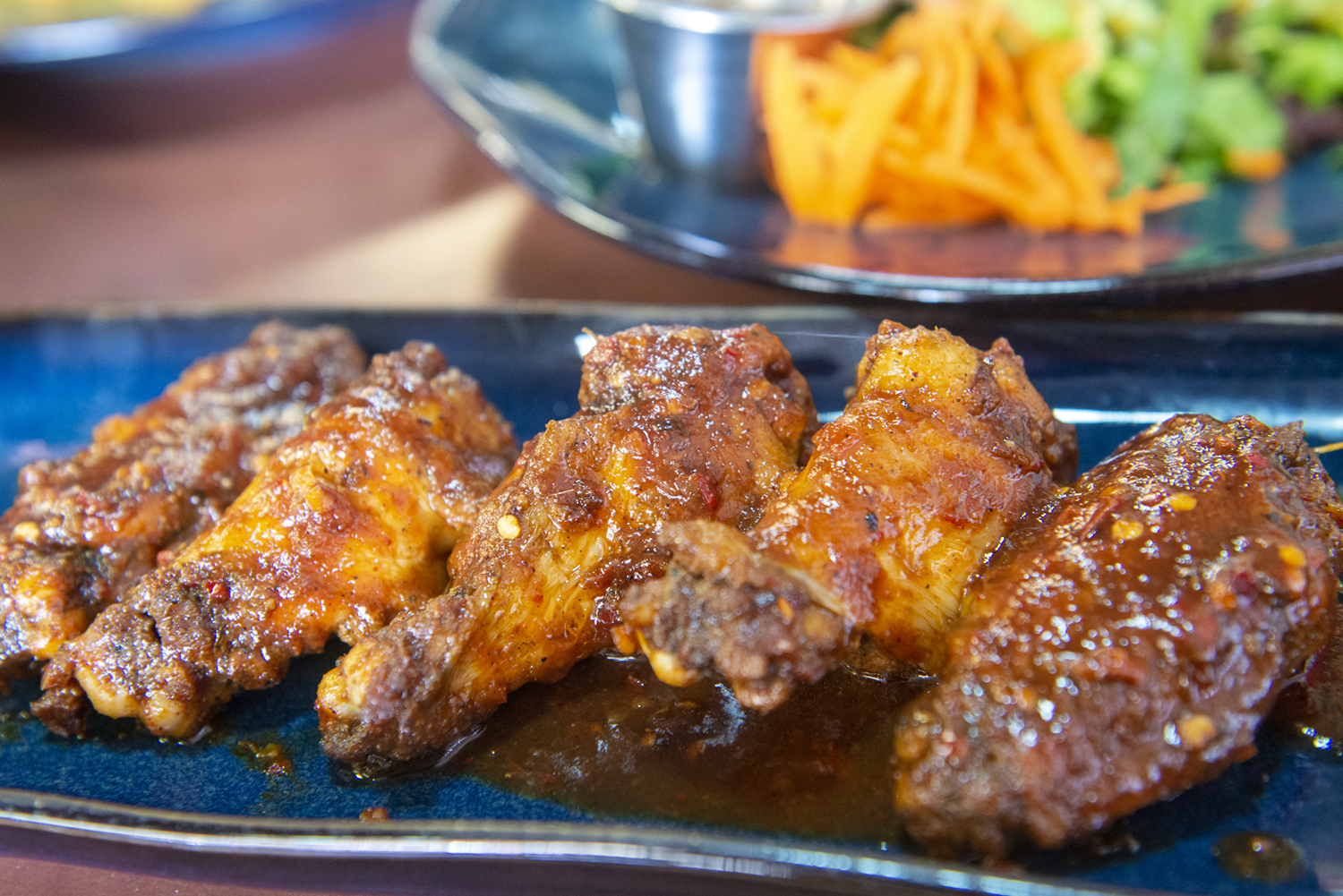
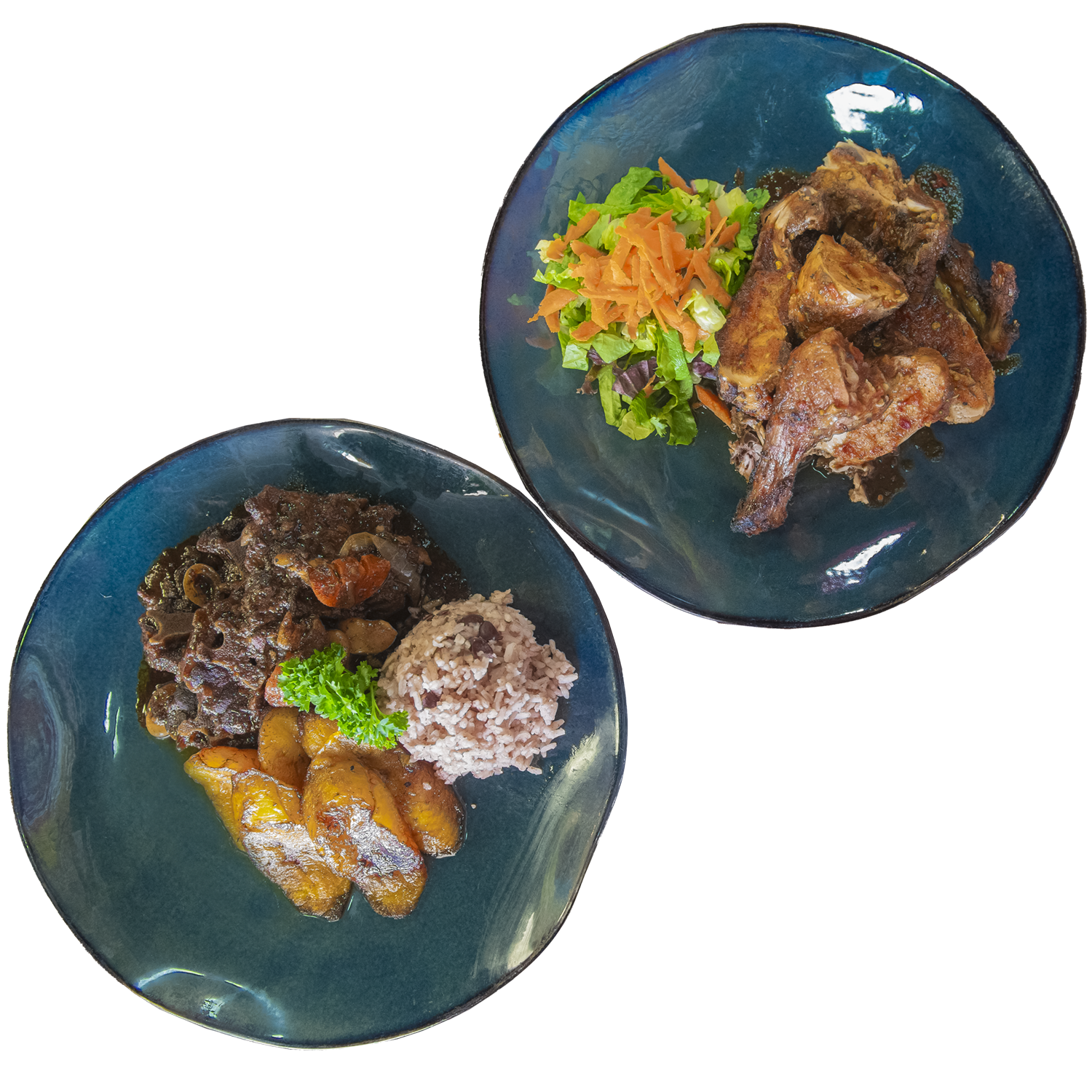
Denver has never been a static food city. Its dining identity has always been shaped by movement, reinvention, and a willingness to absorb influences from elsewhere, then make room for them in local neighborhoods. Over the last decade, that openness has created fertile ground for cuisines that once sat at the margins of the city’s dining map. Among the most interesting examples is the growing visibility of Jamaican food in Denver.
That rise did not happen overnight, and it did not come from trend-chasing alone. It came from cooks, restaurant owners, food truck operators, and families who carried recipes across borders and refused to flatten them for convenience. It also came from Denver diners, who have become far more curious, more informed, and less intimidated by dishes that do not fit neatly into the old categories of “comfort food” or “ethnic food.” Jamaican cooking lands in Denver at the intersection of both. It is deeply comforting, yet layered with techniques, spice profiles, and cultural references that reward attention.
Walk into a Jamaican restaurant at lunchtime and you quickly understand why people return. The aromas hit first, warm allspice, thyme, Scotch bonnet, ginger, scallion, garlic, slow-cooked onions, and the distinctive smokiness that lingers around jerk preparation when it is done with care. Then come the colors: turmeric-stained rice and peas, golden plantains, rich brown oxtail https://ameblo.jp/troyiljd525/entry-12979684729.html gravy, bright cabbage, deep mahogany jerk chicken. There is a generosity to the cuisine that reads clearly in a city where diners appreciate food with substance.
Why Jamaican food resonates in Denver
Part of the appeal is obvious. Denver is a city that likes bold flavors. This is a place where heat, smoke, char, and slow braises already have a devoted audience. Jamaican food offers all of that, but in a combination that feels distinct. Jerk seasoning is not just “spicy grilled meat,” and curry goat is not a generic curry. These dishes carry a specific history and flavor logic. Pimento, thyme, and Scotch bonnet create a profile that is unmistakably Caribbean. The result feels familiar enough to approach, yet different enough to be memorable.
Climate and lifestyle play a role too. Denver’s long winters and shoulder seasons favor hearty food, and Jamaican cooking has no shortage of dishes that satisfy in cold weather. Oxtails, stew chicken, curry goat, and escovitch fish all bring intensity and depth that make sense when temperatures drop. At the same time, many Jamaican plates include fresh slaws, steamed cabbage, fried dumplings, patties, and tropical fruit drinks that fit more casual warm-weather eating. Few cuisines move this comfortably between a cold evening meal and a sunny weekend lunch.
There is also a practical reason for the cuisine’s growth. Denver’s dining public has matured. Fifteen years ago, many restaurant neighborhoods were still dominated by broad, safe formats. Burgers, pizza, brewpub fare, and standard brunch carried the day. Those categories still matter, but they no longer define the city in the same way. Diners now hunt for regional specificity. They want to know whether a curry is Trinidadian, Thai, or Jamaican. They ask questions about spice level, cooking technique, and house marinades. That kind of curiosity creates room for restaurants that lead with identity rather than dilute it.
The dishes that introduced many Denver diners to the cuisine
For plenty of newcomers, the entry point into Jamaican food in Denver has been jerk chicken. That makes sense. Done well, jerk is one of the most compelling grilled preparations anywhere. The seasoning paste or marinade typically combines allspice, thyme, scallions, garlic, ginger, Scotch bonnet peppers, and other aromatics, then clings to the meat as it cooks. Good jerk balances heat with sweetness, smoke with herbal lift, and exterior char with juicy flesh underneath. A weak version tastes like spicy barbecue. A strong version tastes alive.
Once diners get past jerk, the menu opens up quickly. Oxtail often becomes the dish that turns casual interest into loyalty. Properly braised oxtail is expensive to make, time-consuming, and impossible to fake. It asks for patience. The meat needs hours to soften, and the gravy needs enough reduction to concentrate flavor without turning heavy. When a kitchen gets it right, the dish has an almost sticky richness that clings to rice and peas and rewards every bite. In many restaurants, it is also one of the first items to sell out.
Curry goat is another anchor. This is not the thick, cream-forward curry some diners expect from other traditions. Jamaican curry tends to be more aromatic and earthy, with spice blends that often include turmeric, coriander, fenugreek, and allspice in varying ratios. Goat itself can be divisive among first-timers, usually because people have had poorly handled versions elsewhere. But in skilled hands, it is tender, savory, and ideal for a slow, spice-driven stew.
Then there are patties, which deserve more respect than they sometimes get. They are easy to dismiss as a quick snack, but a well-made Jamaican patty is a serious piece of craft. The crust should be flaky yet sturdy enough to hold the filling, usually seasoned beef, chicken, or vegetables. The filling must be moist without turning the pastry soggy. In many cities, patties become the portable ambassador of the cuisine, and Denver is no exception. They travel well, fit lunch habits, and offer a low-risk first taste for diners who are still exploring.
Rice and peas, fried plantains, coco bread, steamed cabbage, and festival also matter more than outsiders sometimes realize. These sides are not filler. They complete the plate and balance the main dish. Rice and peas absorb gravies and heat. Plantains bring sweetness and soft texture. Cabbage cools things down. The best Jamaican restaurants in Denver understand that the supporting cast is what makes the meal feel complete.
The challenge of authenticity, and why the word can be slippery
Conversations around “authentic” food tend to become clumsy fast. In practice, authenticity is rarely a fixed point. It is a moving target shaped by migration, ingredient access, economics, and the habits of the cook. That is especially true in a landlocked city far from the Caribbean, where restaurateurs have to source ingredients carefully and adapt to local supply chains.
Still, some boundaries matter. Jamaican food loses its identity when the defining seasonings are toned down beyond recognition, when jerk becomes little more than sweet heat, or when side dishes are swapped so freely that the structure of the meal disappears. Denver’s better Jamaican restaurants tend to avoid that trap. They may adjust portions, service style, or menu breadth for local realities, but they preserve the core flavor architecture. You can taste the difference.
Ingredient substitution is one of the biggest pressure points. Scotch bonnet peppers do not behave exactly like habaneros, even though people often treat them as interchangeable. The heat is similar, but the fruitiness and aroma differ. Fresh thyme, scallion, and pimento are non-negotiable in many preparations. Goat and oxtail prices fluctuate. Certain fish are harder to get consistently. Restaurant owners have to make judgment calls, and those decisions affect both quality and cost.
That cost issue should not be overlooked. Diners sometimes wonder why oxtail plates are expensive. The answer is simple. Oxtail is labor-intensive and no longer a cheap cut. The same goes for goat. Long braises tie up kitchen time, and imported ingredients push costs higher. For independent operators, especially those running small storefronts or trucks, margins can be tight. The rise of Jamaican food in Denver has happened despite those pressures, not because they are easy to solve.
Food trucks, festivals, and the slow build of recognition
One reason Jamaican food has found more traction in Denver is that it has not relied solely on traditional restaurant growth. Food trucks, pop-ups, neighborhood events, and cultural festivals have all helped introduce the cuisine to wider audiences. That matters in a city where many diners still discover new foods first at an outdoor market, brewery parking lot, or community celebration.
The truck model suits Jamaican food in some ways. Jerk chicken, patties, plantains, and rice bowls can travel well and be served efficiently. A truck also lets operators test neighborhoods before committing to a fixed location. Denver’s geography is broad, and customer density varies block by block. Trucks and pop-ups make it possible to meet people where they already gather.
Festivals have played a quieter but equally important role. Caribbean cultural events create context. They remind people that the food is part of a larger world of music, language, migration, and community. That context matters because cuisine is often misunderstood when it appears stripped from its cultural roots. A plate of jerk chicken at a busy festival can do more than satisfy hunger. It can spark curiosity, conversation, and repeat business later at a restaurant.
Word of mouth remains powerful too. Jamaican restaurants often grow through recommendation rather than heavy marketing. Someone tries the oxtail, posts a photo, brings coworkers back the next week, then starts ordering catering for family gatherings or office lunches. This kind of growth is slower than a viral social media spike, but it is usually more durable. It builds a regular customer base, which is exactly what small independent restaurants need.
Denver’s palate has changed, and that benefits Jamaican cuisine
There was a time when many Denver diners approached spice with caution. That is less true now. Heat tolerance has risen, but more importantly, flavor literacy has improved. People are not just asking whether a dish is spicy. They are asking what kind of spicy it is. Is the heat sharp and immediate, or does it build slowly? Is it smoky, fruity, peppery, or acidic? Jamaican food benefits from that shift because its heat is usually part of a larger composition, not a gimmick.
The city has also become more comfortable with stews, braises, and dishes that do not center neat plating. Jamaican food can be rustic in the best sense of the word. Gravy spills into rice. Plantains soften at the edge. Bones show up in curry goat and stew dishes. There is tactile pleasure in the meal. In a dining culture that once leaned heavily toward polished but generic presentations, that kind of food now feels refreshing rather than unfamiliar.
Another factor is Denver’s broader embrace of diasporic cuisines. As the city has diversified, diners have become better at recognizing distinctions within the Caribbean and African culinary worlds. Jamaican food is not interchangeable with Haitian, Trinidadian, Cuban, or West African cooking, even if there are meaningful points of overlap. That increased awareness helps restaurants tell their own story rather than being folded into a vague category.
What makes a Jamaican restaurant stand out in Denver
The restaurants that gain loyal followings usually get a few key things right. First, they protect the integrity of the seasoning. If the marinade tastes flat, nothing else can carry the meal. Second, they take sides seriously. Third, they maintain consistency, which is harder than it sounds in a cuisine built on long marinades, slow cooking, and ingredient variability.
Service style matters as well. Some of the most successful Jamaican spots in Denver combine warmth with directness. The experience feels personal rather than performative. Staff often guide first-time diners toward balanced plates, maybe jerk chicken with rice and peas, cabbage, and plantains, or a patty paired with coco bread and a house drink. Those recommendations can shape whether someone returns.
Portioning is another practical advantage. Jamaican food generally offers strong value, even when certain proteins are expensive. A good plate is substantial without feeling mindless. This matters in Denver, where many diners are price-sensitive but still expect quality. If a restaurant can deliver depth of flavor, generous portions, and efficient service, it will almost always earn repeat business.
The atmosphere varies widely, and that is part of the appeal. Some places lean casual and fast, with steam tables and to-go containers. Others aim for a sit-down setting with a fuller menu and a slower pace. Neither format is inherently better. What matters is alignment. A quick-service lunch counter should be fast and focused. A dinner-oriented space should make room for dishes that benefit from a more relaxed meal. Problems arise when a restaurant tries to be everything at once.
Common misconceptions that still linger
Despite the cuisine’s growing visibility, a few misconceptions still follow Jamaican food in Denver. One is that everything is intensely spicy. It is not. Heat shows up in many dishes, but the cuisine is broader than Scotch bonnet bravado. Brown stew chicken, rice and peas, cabbage, plantains, and many patties can be moderately seasoned rather than punishing. A good restaurant will usually tell you where the real fire sits on the menu.
Another misconception is that Jamaican food is heavy from start to finish. Some dishes certainly are rich, especially oxtail and fried items, but there is plenty of brightness in the cuisine too. Escovitch fish brings acid and crunch. Slaws and cabbage add freshness. Herbs carry many dishes. Tropical drinks and fruit-based sides can lighten the meal. The best plates create contrast rather than just piling on weight.
There is also a tendency to reduce Jamaican cooking to jerk alone. Jerk is important, but it is not the whole story. Focusing only on jerk is a little like reducing Italian food to pizza. It misses the breadth of the tradition and obscures the skills involved in soups, stews, curries, pastries, and vegetable sides.
Where growth could go next
The next phase for Jamaican food in Denver will likely be less about novelty and more about depth. The city has already shown that there is an audience. Now the question is whether the market can support more specialization, more regional nuance, and more second-generation growth. That might mean bakeries putting patties and sweet breads front and center. It could mean restaurants expanding breakfast offerings, with dishes like ackee and saltfish where sourcing allows. It may also mean more crossover in beverage programs, desserts, and catering.
One promising area is education through the menu itself. Diners are increasingly open to short explanations of ingredients and cooking styles, especially when those notes help them order with confidence. Restaurants do not need to overexplain, but a few thoughtful descriptions can bridge the gap between curiosity and commitment.
Another opportunity lies in neighborhood anchoring. Denver has seen how a single strong restaurant can become a community fixture, drawing both locals and destination diners. Jamaican restaurants are well positioned for that role because the cuisine works across so many occasions: weekday lunch, takeout dinner, family gatherings, late afternoon snacks, and event catering. Few menus have that level of flexibility.
There are still obstacles. Labor remains expensive. Ingredient sourcing can be uneven. Rent pressures are real, especially in neighborhoods that look attractive on paper but punish small operators with high overhead. Yet the trajectory is encouraging. Jamaican food in Denver is no longer a niche conversation. It has entered the city’s broader food identity.
A cuisine that rewards repeat visits
One meal rarely tells the whole story with Jamaican cooking. The first visit might be about jerk chicken because it is familiar enough to feel safe. The second might bring a patty and coco bread. By the third or fourth, diners often start branching into curry goat, oxtail, or fish. That gradual expansion is part of the cuisine’s staying power. It keeps rewarding people who come back.
It also rewards attention to detail. The difference between decent and excellent Jamaican food often comes down to choices that are easy to miss if you are eating casually: the perfume of the allspice in the marinade, the tenderness of the braise, the point at which a plantain turns from sweet to deeply caramelized, the way cabbage is seasoned just enough to support the plate rather than disappear on it. These are not flashy details, but they are the marks of a kitchen that knows what it is doing.
Denver has become the kind of city where those details matter, and where enough diners notice them to sustain the people cooking this food well. That is the real story behind the rise of Jamaican food in Denver. It is not a fleeting craze or a social media moment. It is a steady widening of the city’s palate, matched by the determination of restaurateurs who trust their food to speak clearly for itself.
As that process continues, Jamaican cuisine will likely become even more woven into the ordinary rhythms of Denver dining. Not as a novelty, not as a once-a-year festival treat, but as a reliable, desired, and respected part of the city’s everyday food life. That is usually how lasting change happens in restaurant culture. Quietly at first, then all at once, and always through the plate.
Reggae Pot Jamaican Grill
Address: 2243 S Monaco St Pkwy #104, Denver, CO 80222
Phone number: +17204102956
FAQ About Jamaican Food Denver
What is typical Jamaican food?
Typical Jamaican food features bold, vibrant flavors created by blending African, Taino, European, and Asian influences.
What is a famous Jamaican dish?
Ackee and saltfish is Jamaica's national dish, made by sautéing the soft local ackee fruit with salted cod, onions, tomatoes, and spicy Scotch bonnet peppers.
What food is most popular in Jamaica?
The most popular and famous food in Jamaica is Jerk Chicken, celebrated worldwide for its smoky, spicy flavor.