Jamaican Food in Denver: Where to Enjoy Classic Island Dishes
Denver is not the first American city most people associate with Jamaican cooking. That usually means New York, South Florida, or parts of New Jersey get the attention, while Colorado gets overlooked. Still, anyone who has spent time eating around the metro area knows there is real Caribbean flavor here, if you know what you are looking for and if you understand what makes the food worth seeking out in the first place.
The search for good Jamaican food in Denver rewards patience. You are less likely to stumble across three excellent spots on the same block than you would in Brooklyn or Miami. Instead, the city offers a scattered, smaller scene made up of neighborhood restaurants, crossover Caribbean kitchens, takeout counters, and occasional food trucks or pop-ups. That can actually work in your favor. The places that last tend to do so because they have a loyal following, a cook who takes the food personally, or a family recipe that holds up meal after meal.
What matters most is not a postcard version of “island food.” It is whether the kitchen gets the fundamentals right. Jerk should taste layered, not simply hot. Oxtail should be deeply savory, silky, and cooked long enough that the meat gives way without turning stringy. Rice and peas should do more than fill space on the plate. Even a basic beef patty tells you a lot about a kitchen’s standards, because when the pastry is stale or the filling is flat, it usually means the rest of the menu lacks care too.
If you are trying to find the best Jamaican food Denver has to offer, it helps to know what to order, what signs to look for, and what trade-offs come with eating Caribbean food in a city where the scene is still developing.
What makes Jamaican food distinctive
A lot of people reduce Jamaican cooking to jerk chicken. Jerk is important, of course, but it is only one expression of a much broader culinary tradition. Jamaican food is shaped by African, Indigenous, British, Indian, Chinese, and broader Caribbean influences, and you taste that history in the range of dishes that show up on a strong menu.
The first thing that stands out is seasoning. Jamaican cooks are rarely timid with spice blends, fresh herbs, scallions, thyme, garlic, allspice, ginger, Scotch bonnet peppers, and browning sauces. The flavors are assertive, but good Jamaican food is not just about heat. A well-made curry goat has warmth and fragrance before it ever reads as spicy. A proper escovitch fish should bring acid, sweetness, and pepper in a way that sharpens the whole plate. Fried plantains can swing the meal back toward caramelized sweetness. The best meals move between savory, spicy, earthy, bright, and rich without feeling chaotic.
Texture matters too. One of the pleasures of a Jamaican meal is the contrast between components. You might get tender braised meat next to firm rice and peas, soft cabbage, crisp festival, or flaky pastry. That variety is part of what makes the cuisine satisfying rather than just heavy.
For Denver diners, this means a good Jamaican restaurant may not look flashy. The room might be plain. Service can be brisk, especially at lunch. But if the steam table smells right, if the patties are turning over quickly, and if the kitchen seems to know exactly how it wants each dish to taste, you are usually in good shape.
The dishes worth seeking out first
If you are new to the cuisine, start with the classics. They reveal the kitchen’s strengths quickly and give you a benchmark for future visits.
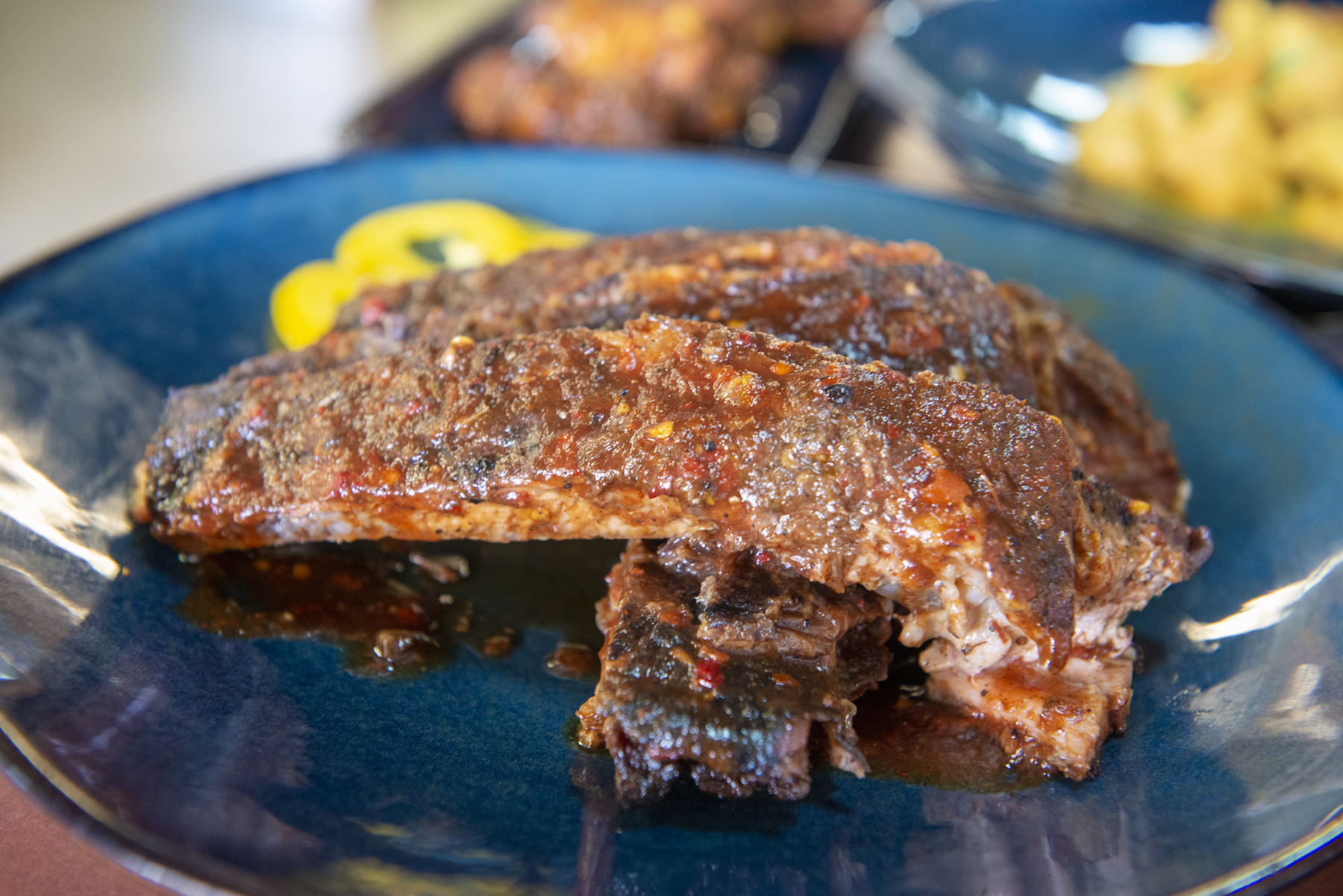
Jerk chicken is the obvious entry point, but it can also be misleading. In many U.S. Cities, “jerk” gets turned into a generic spicy grilled chicken with little of the smoky depth or allspice-heavy complexity that defines the real thing. The best version tastes seasoned all the way through. It should be aromatic first, hot second, and the heat should feel alive rather than blunt. If the kitchen grills or smokes it to order, even better.
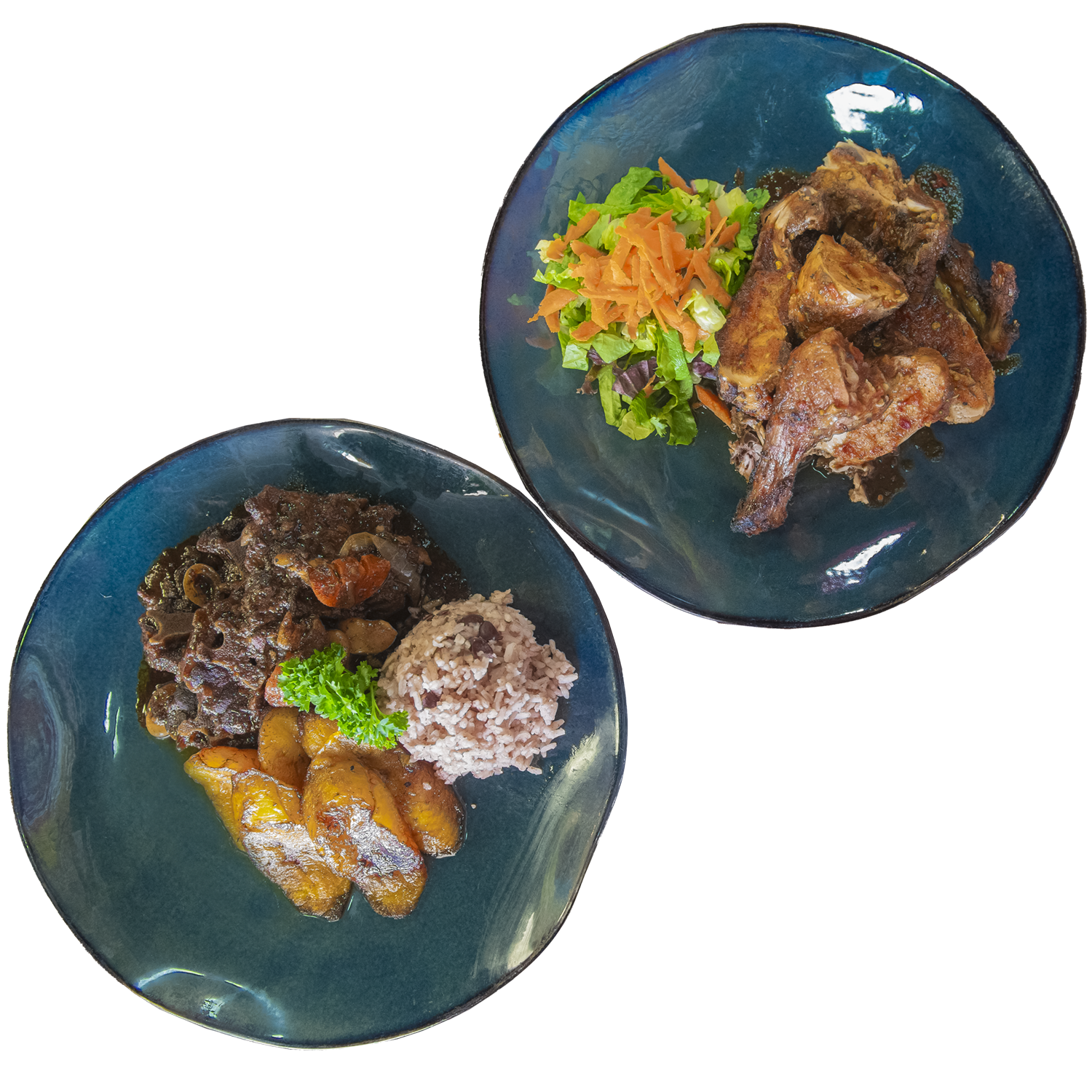
Oxtail is often the dish that wins people over permanently. Done right, it is expensive to make, time-intensive, and impossible to fake. The sauce should be glossy and concentrated, with enough body to coat the rice. The meat should be succulent and rich, but not greasy. In a city like Denver, where menu prices can already run high, oxtail tends to sit at the top end of the price range. It is still worth ordering at least once if the restaurant is known for it, because it tells you whether the house is willing to put in the work.
Curry goat is another essential order. A serious version should be deeply seasoned, slow-cooked, and fragrant with curry rather than dusty or one-note. Goat has a distinct flavor that some first-time diners find stronger than beef or chicken, but when the dish is handled well, that richness is exactly the point.
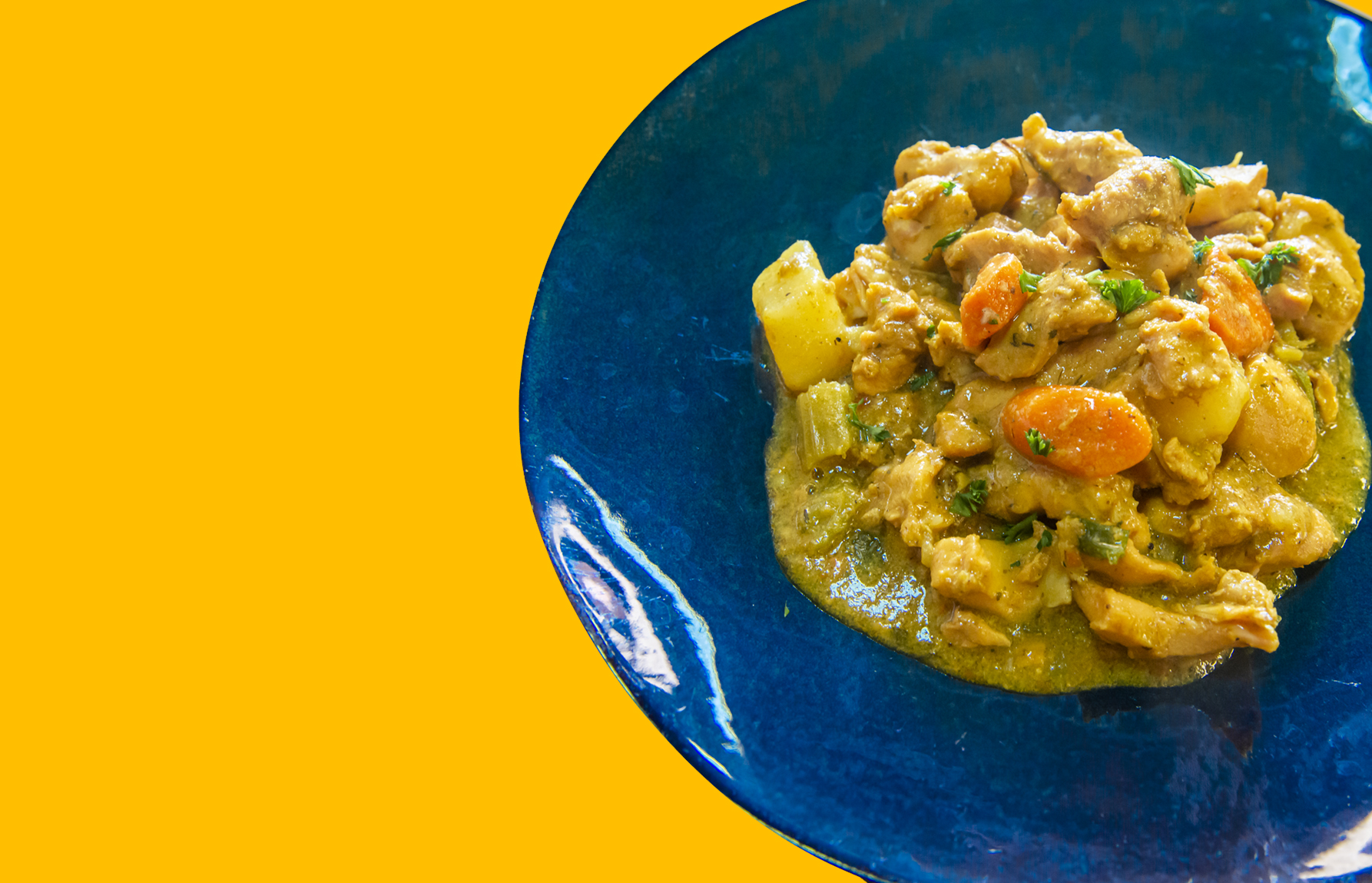
Then there are the dishes people often underrate. Brown stew chicken can be one of the most comforting things on the menu, especially when the gravy has a dark, almost sweet depth from browning and onions. Ackee and saltfish, Jamaica’s national dish, is harder to find consistently, especially outside breakfast service, but worth ordering whenever you see it done with care. Beef patties, coco bread, callaloo, fried dumplings, and soups can all separate a restaurant with a real point of view from one that is leaning mostly on familiar mains.
How the Denver scene tends to work
Because Denver does not have a huge concentration of Jamaican restaurants in one corridor, eating well often comes down to understanding the local pattern. A restaurant may operate as a broader Caribbean spot, mixing Jamaican staples with dishes from Trinidad, Haiti, or other islands. Another may focus heavily on takeout and delivery, which makes sense for food that travels better than delicate plated fare. A food truck may produce excellent jerk on a good day but have a more limited menu than a brick-and-mortar location.
That variety is not a flaw. It simply means diners should adjust expectations. If you are used to East Coast Caribbean neighborhoods where you can compare five patties in an afternoon, Denver will feel more spread out. But it can still deliver. Some of the most satisfying Jamaican meals in the city come from places that are not polished enough to pull in casual social media crowds but have built steady business on flavor alone.
Neighborhood matters less than in some food scenes, because Caribbean spots can appear in strip malls, mixed-use corridors, or near residential pockets rather than in one obvious district. It is common to find a restaurant that looks modest from the outside and serves serious food inside. In my experience, those are often the places to watch most closely. Jamaican cooking does not need expensive decor to make its point.
Signs you have found a promising spot
Before you order, pay attention to the details. Jamaican restaurants often tell you a lot in the first two minutes.
Look at the menu breadth. A kitchen offering jerk chicken, oxtail, curry goat, patties, cabbage, rice and peas, and a few drinks or desserts is usually operating in familiar territory. If the menu is oddly broad, with pages of unrelated items added to chase every possible customer, quality can get diluted.
Notice the turnover on prepared foods. If patties are moving quickly and the hot items look freshly replenished, that is encouraging. Steam-table food is not a problem when it is maintained properly, and in fact some braised dishes hold beautifully. What you want to avoid is food that looks tired, dried out, or as though it has been waiting too long between lunch and dinner.
Pay attention to the sides. In Jamaican cooking, sides are not decorative. Rice and peas should have flavor on their own. Steamed cabbage should retain some structure. Plantains should be caramelized, not limp and pale. A kitchen that treats the plate holistically usually handles the mains with the same care.
Finally, trust the smell. This sounds obvious, but Caribbean kitchens announce themselves. Good jerk, curry, and stewed meats carry distinct aromas. If the room smells flat, the food often tastes flat too.
What to order if you only have one visit
A single meal should give you the widest possible sense of the kitchen. If you are dining with one other person, the smartest move is to share two mains and at least one side or starter. That gives you contrast and helps you avoid building your opinion around one dish that may or may not be the house specialty.
If I were helping someone navigate Jamaican food Denver options for the first time, I would steer them toward this combination:
- Jerk chicken, to judge seasoning and smoke.
- Oxtail or curry goat, to see how the kitchen handles slow braises.
- Rice and peas, because every serious Jamaican plate lives or dies a little on its starch.
- Plantains or cabbage, for balance.
- A beef patty, if available and fresh, as a side test of the pastry program.
That order gives you heat, richness, texture, and range without going overboard. It also reveals whether the restaurant is excelling across the board or leaning on one signature dish.
Where Denver diners tend to get tripped up
One challenge with Jamaican food in Denver is expectation management. People often come in looking for one of two extremes. They either want the food toned down and familiar, or they expect every dish to be aggressively spicy and theatrical. Neither approach does the cuisine much justice.
Heat levels vary from kitchen to kitchen. Scotch bonnet peppers bring a sharp, fruity heat that is different from generic chili burn, and many cooks use them carefully so they season the dish rather than dominate it. If you like spicy food, ask what the kitchen recommends instead of assuming the hottest-looking item will be the best. Sometimes the most memorable plate is not the one that hurts the most.
Another common mistake is judging a restaurant only by the jerk. Jerk is iconic, but it is not the whole story. A place with very good brown stew chicken and excellent patties may be more worth revisiting than a place with passable jerk and weak supporting dishes. Caribbean menus reward breadth of interest.
Then there is the issue of timing. Certain dishes are best earlier in service, and some restaurants simply perform better at lunch than late evening, or vice versa. Patties, fried items, and fish can be especially timing-sensitive. On the other hand, oxtail and curry goat often hold up beautifully through the day because the resting time deepens the sauce. If your first visit feels uneven, it may be worth trying the restaurant again with a different order and at a different hour before writing it off.
The role of sides, drinks, and desserts
Some of the most overlooked pleasures in Jamaican dining show up around the edges of the main plate. In a city where many diners order quickly and default to the obvious entrée, these smaller items can reveal a kitchen’s soul.
A proper beef patty has to strike a difficult balance. The crust should be flaky and tinted with turmeric or curry, but not dry. The filling should be savory and moist, with enough seasoning to stand out even in a hand-held form. Add coco bread and the whole thing becomes one of the best casual meals in the Caribbean canon, rich, soft, and deeply comforting.
Festival, when you can find it, deserves attention too. Slightly sweet, crisp outside, tender inside, it plays especially well with spicy meats or fish. Fried plantains may sound simple, but great ones have the right stage of ripeness, browned edges, and soft centers instead of collapsing into oily mush.
Drinks matter more than people think. Sorrel brings tart spice. Ginger beer adds heat of a different kind, bright and sharp rather than peppery. Ting offers a clean grapefruit note that cuts through richness. If a restaurant stocks these beverages, it often suggests a closer connection to the cuisine rather than a generic “Caribbean-inspired” identity.
Desserts may be less consistently available, but if you see rum cake, sweet potato pudding, or gizzada and the item looks house-made, it is worth considering. Jamaican meals can be rich, and not everyone wants dessert afterward, but a good one rounds out the experience with the same sense of spice and depth that runs through the savory cooking.
Eating Jamaican food in Denver in different settings
Not every meal needs the same kind of restaurant, and this is where Denver’s looser scene can actually be an advantage. There are different ways to eat well depending on your priorities.
For a quick weekday lunch, a takeout-oriented counter or small neighborhood spot often makes the most sense. You can get a plate of jerk or stew with rice and peas, spend less than you would at a polished full-service restaurant, and be in and out efficiently. These are also the places where you are more likely to encounter regulars who know exactly what to order, always a useful sign.
For a casual dinner with friends, a broader Caribbean restaurant can work well because the menu may include enough variety to satisfy different palates while still offering Jamaican anchors. This can be especially helpful if someone in the group wants a milder https://kylergviy561.dovetailscope.com/posts/how-to-find-authentic-jamaican-food-in-denver stew while someone else wants a hotter jerk plate.
For the strongest shot at freshness on grilled meats, food trucks and pop-ups can shine, especially when they are working through a smaller menu and cooking in tighter batches. The trade-off is unpredictability. Hours may change, certain dishes may sell out, and you may not get the full range of sides you would at a restaurant.
If you are seeking the most traditional meal possible, watch for specials, weekend offerings, or community events. That is often where cooks put out dishes that do not always fit daily service, and where you are more likely to see the food presented in a way that feels closer to home cooking rather than a condensed commercial menu.
A few smart habits for first-time diners
The best Jamaican meals often come from ordering with a little curiosity and a little humility. The staff usually know what is strongest that day, and most are happy to point you in the right direction if you ask specific questions.
Keep these habits in mind:
- Ask what sells out first, because it often reveals the house favorite.
- Order at least one braised dish if the restaurant is known for it.
- Do not skip the sides, since they are part of the meal’s identity.
- Be open to dishes beyond jerk, especially curry goat or brown stew chicken.
- If you want real heat, ask for pepper sauce separately before committing.
Those small decisions make a noticeable difference, especially in a city where Jamaican food is less ubiquitous and every visit counts.
Why the search is worth it
There is something deeply satisfying about finding a Jamaican restaurant in Denver that truly delivers. Part of it is the food itself, which has the kind of assertive character that cuts through culinary sameness. Part of it is that these meals still feel personal. They tend to come from owners and cooks who are preserving flavor memory, family methods, and a sense of place in a market that does not always make room for smaller diasporic cuisines.
You can taste that effort in the details. The gravy that took hours to develop. The cabbage that was cooked just enough. The spice blend that does more than add heat. Even when the setting is humble, the meal can carry real weight.
For local diners, the practical takeaway is simple. Approach Jamaican food in Denver with intention rather than convenience. Do a little homework. Go where the menu is focused. Order beyond the obvious. Return to the places that get the fundamentals right. Over time, you build your own map of the city, not from trend lists or glossy photos, but from plates that earn repeat visits.
That is usually how the best food scenes are experienced anyway. Not all at once, and not always in the most obvious neighborhoods, but one memorable meal at a time. In Denver, Jamaican cooking may require a bit more searching than it does in larger Caribbean hubs. The reward is that when you find a kitchen that understands jerk, curry, braise, and balance at a serious level, you remember it. And you go back hungry.
Reggae Pot Jamaican Grill
Address: 2243 S Monaco St Pkwy #104, Denver, CO 80222
Phone number: +17204102956
FAQ About Jamaican Food Denver
What is typical Jamaican food?
Typical Jamaican food features bold, vibrant flavors created by blending African, Taino, European, and Asian influences.
What is a famous Jamaican dish?
Ackee and saltfish is Jamaica's national dish, made by sautéing the soft local ackee fruit with salted cod, onions, tomatoes, and spicy Scotch bonnet peppers.
What food is most popular in Jamaica?
The most popular and famous food in Jamaica is Jerk Chicken, celebrated worldwide for its smoky, spicy flavor.